Has your lawn turned into a maze of tunnels and mounds in just a few days? If so, you have likely got moles, voles, or both. Raised ridges, soft soil, and chewed roots are obvious signs of damage to your lawn. Knowing which animal you have changes the best way to stop it. This guide shows you how to tell the two apart, why they pick local lawns, and how ProTrap delivers mole removal Windsor-Essex homeowners trust to protect their property.
Moles vs Voles: Which One Is Digging Up Your Lawn
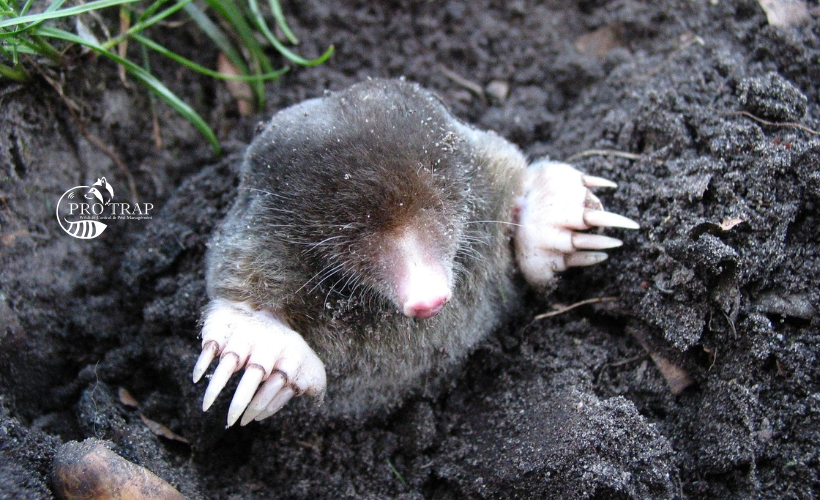
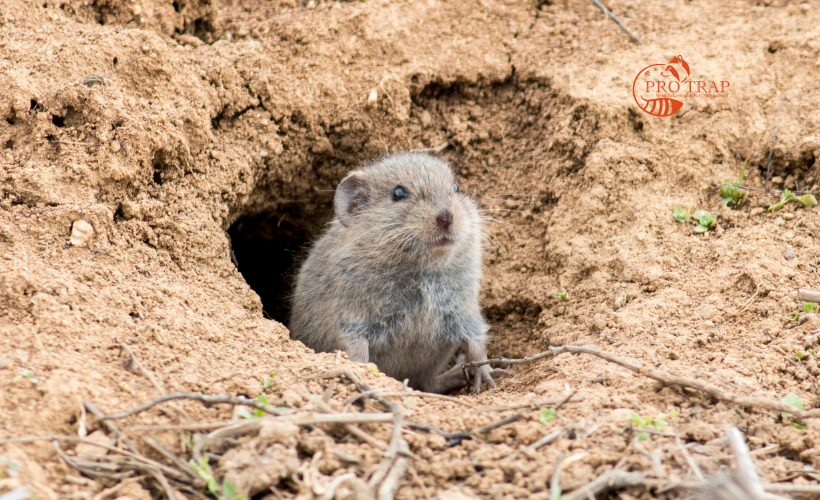
Moles and voles get blamed for the same wrecked lawns, but they are very different mammals. A mole is a small, furry insectivore that lives underground. It spends almost its whole life below the surface, hunting earthworms, white grubs, and other soil insects. A vole is a small rodent, much like a field mouse. It stays near the surface and eats grass, seeds, roots, bulbs, and bark.
Their diets explain the damage they cause. Moles push up cone-shaped mounds and raise long ridges as they tunnel, and their digging can kill patches of grass by pulling soil away from the roots. Voles work above ground, so they leave runways of clipped grass and feed straight on plants. They chew perennials, weaken shrubs, and strip bark around young trees. One animal lives underground and the other lives on the surface, so the type of control that works is not the same. Match the treatment to the animal and you fix the real problem.
Signs of Mole and Vole Damage in Your Yard
You can usually tell which animal is at work by reading the ground. Walk your lawn and look for these signs of activity:
- Cone-shaped mounds and raised, spongy ridges mean mole tunnels are running below the surface.
- Narrow trails of flattened, clipped grass mean voles are moving above ground.
- Chewed roots, damaged perennials, and stripped bark on young trees mean voles are feeding on plants.
- Brown patches and loose soil along garden edges can mean grub damage that is pulling moles in.
Spot these signs early and you can act before a small mole problem takes over the yard. If you have moles in your yard but still cannot tell what is digging, something digging in your yard covers the usual culprits.
Why Moles and Voles Target Windsor-Essex Lawns
Both animals show up for the same reasons: food and shelter. Moles follow their food. A lawn full of grubs and earthworms, especially in soil with steady moisture, is an easy place for them to dig, so well-watered yards with a grub problem carry the highest risk. Moles are also typically most active after rain, when earthworms rise toward the surface. Voles want cover. Thick grass, tall weeds, heavy mulch, and leaf piles give them spots to hide from hawks, owls, and other predators while they feed.
Fall makes it worse. As the weather cools, both animals stay busy and move closer to gardens, foundations, and the base of trees, where food and shelter are easy to reach. That is why many Windsor-Essex homeowners see fresh lawn damage heading into the colder months.
How to Get Rid of Moles and Voles
Getting rid of moles and voles takes two things. Remove the animals that are there now, and make your yard less appealing so new ones stay away. Many homeowners try a few mole control steps on their own before calling a professional.
DIY Methods Homeowners Try First
A few do-it-yourself steps can help in mild cases:
- Cut the food source with grub control. Moles dig where grubs are plentiful, so fewer grubs make a lawn less appealing. Before you treat your yard, check the product label and Ontario’s current pesticide rules, or ask ProTrap, since what you can put on a lawn may be restricted.
- Remove cover for voles. Mow shorter before winter and clear weeds, mulch piles, and debris near the house and tree lines. This takes away the hiding spots voles need.
- Try mole repellents. Home options like castor oil products or vibrating stakes pushed into the soil are common, but results vary from yard to yard. Use any product exactly as the label says.
- Add a barrier for key beds. A buried screen of fine wire mesh around a garden bed can block tunneling if you set it deep enough for the animal you are dealing with.
Why DIY Often Falls Short
The most effective fixes match the animal. Moles eat insects, not seeds or grain, so products made for rats and mice are not meant for them and are rarely taken. If you use mole traps, they only work on an active runway, and that runway is hard to find without experience. Voles also breed fast enough to replace the few you catch. To stop moles for good, you need to track where they travel and feed, not just chase the newest mound.
Professional Mole and Vole Removal in Windsor-Essex
A specialist saves you time and repeat damage. ProTrap is a local wildlife and pest control company with the technical skill to find active runways and confirm which animal is at work. The team then removes moles and voles with humane methods and treats what drew them in, such as the grub supply for moles and the heavy cover for voles. Expert, species-specific mole control works to eliminate the problem at its source instead of chasing the surface signs.
The idea is simple. Remove the animal first, then close the gaps and conditions that invited it. This remove-before-seal order is what helps keep a lawn clear after the job is done. Because ProTrap also offers guarantees on its proofing repairs, the work holds up across the Windsor-Essex area. If you plan to trap or move wildlife yourself, check the current rules with Ontario’s Ministry of Natural Resources first. You can also read how the company handles humane wildlife removal and its wider wildlife removal services.
How to Keep Moles and Voles From Coming Back
Prevention is mostly regular lawn care that keeps moles away and leaves voles nowhere to hide. That is a simple form of vole control, and it pays off every season. For voles, mow shorter into the fall, clear tall weeds and heavy mulch near the foundation and tree bases, and keep firewood and debris away from the house. For moles, keep the lawn healthy and aerated and watch grub levels, because a yard with less to eat underground is one they tend to leave. Gardeners who want to protect vegetable beds or flower borders can add a buried mesh barrier where it matters most. Overall, keeping up these habits through fall and spring stops your lawn from becoming an easy target again. For a wider look at how animals get in, see the most common animal entry points around a home.
Take Your Lawn Back with ProTrap
A torn-up lawn does not fix itself. The longer moles and voles stay, the more roots, beds, and turf they wreck. For more than 30 years, ProTrap has delivered licensed, insured, and humane mole removal Windsor-Essex homeowners rely on, with species-specific treatment that works to stop the damage and keep it from coming back. If tunnels, mounds, or chewed plants have taken over your yard, reach out to ProTrap for an inspection and a clear plan to take your lawn back.

Call (226) 350-7378 or contact ProTrap today for mole or vole removal, and get your lawn back!