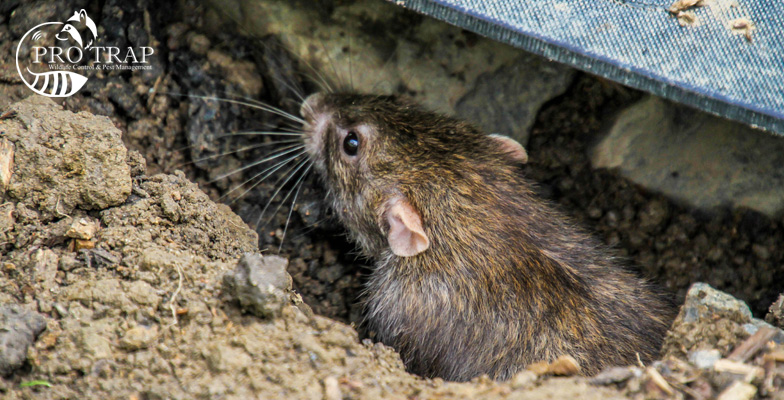
Diseases spread by rodents in Ontario are more than a nuisance problem. They present significant health risks that every Windsor and Essex County homeowner should take seriously. The most common diseases spread by rodents include hantavirus, leptospirosis, salmonellosis, and several other infections that can harm your family. Rodents such as rats and mice are carriers of various diseases. The species found in local homes range from Norway rats and house mice to deer mice, cotton rats, rice rats, and white-footed mice. Each carries bacteria, viruses, and parasites that are transmitted to humans through rodent feces or urine, bodily fluids, and bites or scratches. ProTrap Wildlife & Pest Control helps Windsor homeowners spot rodent activity early and remove infestations before these public health threats affect your household.
How Rodents Spread Disease
Rodents are known to spread disease through several pathways, and most of them do not require a bite. The most common route of human infection is inhalation of dust that contains dried droppings and urine. When you sweep, vacuum, or move stored boxes in your attic, basement, or garage, you risk inhaling the virus particles that float into the air. Coming into contact with surfaces contaminated by feces is another frequent cause of exposure. Handling infected rodents without gloves or a mask puts you at direct risk as well.
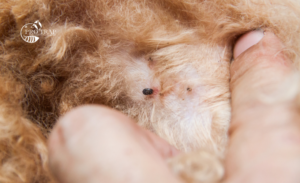
Parasites add a second layer of danger. Infected fleas and ticks that feed on infected rodents drop off inside your home and latch onto pets or family members. Tick bites and bites from infected fleas can pass bacterial and viral diseases to both people and animals. Bacteria can also enter through broken skin that touches contaminated surfaces. Beyond direct contact, you can get the disease by consuming food contaminated by rodent waste or by drinking water contaminated with rodent urine. Even a deer fly that has fed on infected animals can carry pathogens to humans.

Rodent-Borne Diseases Common in North America and Ontario
Understanding the specific diseases that rodents carry helps you recognize symptoms early and respond quickly. Ontario researchers have confirmed several dangerous pathogens in local rat and mouse populations.
Hantavirus
Hantavirus is primarily carried by deer mice, especially in rural and semi-rural areas of Ontario. This disease is common in north and central parts of the province. Humans contract hantavirus through inhalation of contaminated air from mouse droppings, urine, or nesting materials. Early symptoms feel flu-like and include muscle aches, chills, and fever. As the illness progresses, shortness of breath develops. In severe cases, the virus causes hantavirus pulmonary syndrome, which can be fatal. Symptoms can appear within days after exposure to contaminated materials. Anyone who feels ill after cleaning a rodent-affected area should seek prompt medical attention.
Leptospirosis
Leptospirosis is a bacterial infection caused by Leptospira interrogans. Rodents shed this bacterium through their urine, which then contaminates food or water sources nearby. Humans become infected through direct contact with contaminated soil or water that infected rodents have visited. In Windsor, urban density pushes rat populations closer to residential areas, increasing the risk. Symptoms include high fever, chills, vomiting, and jaundice. In severe cases, the infection leads to kidney failure and liver damage. Leptospirosis can be treated with antibiotics when caught early, which makes quick diagnosis critical.
Salmonellosis
Rats and mice carry Salmonella bacteria in their digestive tracts and spread it wherever they travel. They deposit feces on kitchen counters, inside pantries, and near cooking surfaces. Any homeowner dealing with an issue with mice or rats faces ongoing food safety risk until the animals are gone. Symptoms include diarrhea, fever, chills, and abdominal cramps that can last several days. Full sanitization of affected areas is essential to break the contamination cycle.
Rat-Bite Fever
Rat-bite fever (no really, its a real thing!) occurs when a person is bitten by an infected rat or comes into contact with the saliva of infected rodents. This bacterial illness can also spread through direct handling of dead rodents. Symptoms include fever, vomiting, joint pain, and skin rashes that appear shortly after contact. Children and pets face higher exposure risk because they are more likely to approach or touch a rodent found inside the home.
Lymphocytic Choriomeningitis Virus (LCMV)
House mice are the primary carriers of LCMV in Ontario homes. The virus passes through contact with mouse urine, droppings, or nesting materials. LCMV can lead to severe neurological conditions, including meningitis or encephalitis. Pregnant women should be especially cautious, as the virus can harm fetal development.
Tularemia
Tularemia is a bacterial disease that can reach humans through contact with infected deer mice, tick bites from carrier ticks, and exposure to contaminated water. Multiple rodent species across Ontario carry this bacterium. Symptoms include fever, chills, and swollen lymph nodes. Tularemia can present in bubonic or ulceroglandular forms and requires immediate medical treatment to prevent serious complications.
Plague
Although ultra rare in Ontario, bubonic plague remains a recognized risk across North America. Rodents carry the Yersinia pestis bacterium, and infected fleas pass it to humans through bites. Bubonic plague causes high fever and painful swelling of lymph nodes. Septicemic plague attacks the bloodstream and can be fatal without rapid treatment.
Haemorrhagic Fever with Renal Syndrome
Haemorrhagic fever with renal syndrome is caused by specific hantaviruses found in rodent populations across parts of North America. This disease damages kidney function and requires immediate hospital care. While rare in Ontario, its presence in regional rodent species makes awareness important for homeowners.
Rat Hepatitis E
Rat hepatitis E is an emerging concern in Ontario. Researchers have found this virus in Norway rat populations throughout the province. It can cause hepatitis E virus in humans, and scientists are still studying how it spreads.
Warning Signs of a Rodent Infestation
Catching an infestation early limits your family’s exposure to these diseases. The most obvious sign is droppings near food sources, along baseboards, or inside cabinets. You may also hear scratching or scurrying sounds inside walls at night, notice greasy rub marks along baseboards, or find chewed food packaging and wiring. Shredded paper or fabric tucked into attics and crawl spaces confirms that rodents have moved in.
If you spot any of these signs, do not disturb the affected areas. Contact a professional pest control service like Pro Trap to assess the situation safely.
Safe Cleanup and Rodent Control
Cleaning up after rodents the wrong way can worsen a health problem. Never sweep or vacuum dry feces, because doing so launches virus particles into the air. Follow these steps to clean safely:
- Open windows and doors to ventilate the area for at least 30 minutes before you begin
- Put on rubber or latex gloves and a properly fitted respirator mask
- Spray all droppings and nesting materials with a bleach-and-water solution (one part bleach to ten parts water) and let it soak for five minutes
- Wipe up contaminated materials with paper towels and seal everything in plastic bags for disposal
- Disinfect all surrounding surfaces and wash your hands thoroughly after removing gloves
Effective rodent control requires both removal and prevention. Mice can fit through openings as small as 6mm, and rats need only 12mm to get inside. To control rodents and keep them from returning, take these steps:
- Seal all gaps around utility pipes, vents, doors, and foundation cracks with steel wool or hardware cloth
- Store all food, including pet food, in sealed airtight containers
- Clean up spills and crumbs right away to eliminate food sources
- Secure garbage bins with tight-fitting lids and take out trash on a regular schedule
- Clear brush, debris, and firewood at least 30 cm from your foundation to remove nesting sites
- Trim tree branches that hang over your roof or press against your siding
Protect Your Windsor Home from Rodent-Borne Disease
Diseases spread by rodents in Ontario are a serious concern that no Windsor homeowner should ignore. The bacteria, viruses, and parasites that rats and mice carry threaten your family through contaminated surfaces, airborne particles, and secondary pest infestations from fleas and ticks. Early detection, safe cleanup, and professional exclusion work are the best defences.
ProTrap Wildlife & Pest Control provides complete rodent removal, entry point sealing, and contamination cleanup for homes across Windsor-Essex, Chatham-Kent, and Sarnia. With over 30 years of experience, ProTrap has the expertise your home needs to stay rodent-free and safe.

Call ProTrap today to schedule an inspection and protect your family.