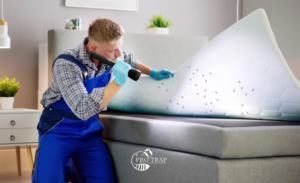
Here’s why you should consider home sealing one of the smartest steps in any pest prevention plan. Pests and wildlife enter through gaps and cracks that most homeowners never notice. Once they are inside, the damage adds up quickly. A properly sealed home blocks the openings insects, rodents, and wildlife use to gain access to your home. But it’s crucial to know that sealing a home with animals already inside makes the problem worse, not better. This article walks through what home sealing is, why a proactive approach to pest control means removing wildlife first, and how professional exclusion work keeps Windsor-Essex properties protected year-round.
What Is Home Sealing for Pest Control?
Home sealing is the process of sealing off entry points that allow pest entry into a home. A comprehensive home inspection covers every gap along the exterior — foundation cracks, openings around utility lines, damaged roof vents, loose soffits, and unsealed edges where different building materials meet. The goal is to create a tight seal around the full exterior so insects, rodents, and wildlife have no way in.
Effective home sealing works to prevent pest infestations before they start. It is the first line of defense in a long-term pest management plan, and it works best when completed after any wildlife living inside has already been removed.
How Wildlife Gets Inside Windsor-Essex Homes
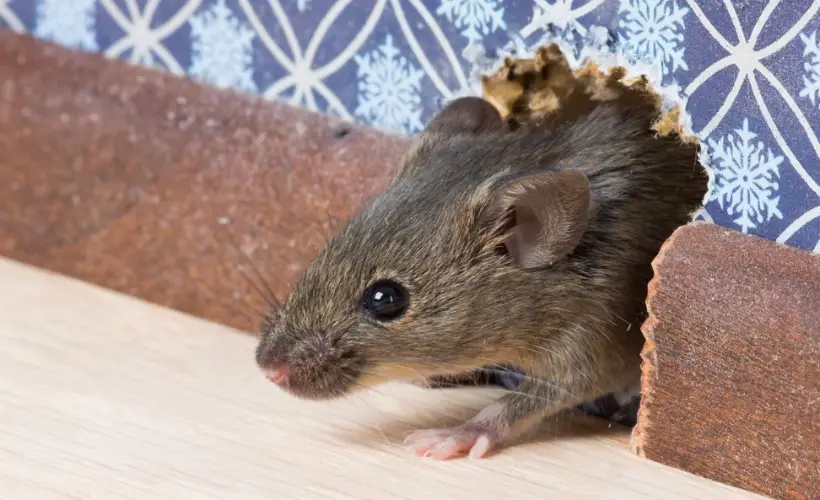
Animals find their way into homes through tiny openings that are surprisingly small. A mouse can squeeze through a gap the size of a pencil eraser. Squirrels push through damaged roof vents and loose soffits. Raccoons pull apart rotted fascia boards. In Windsor-Essex, a mix of older homes and Ontario’s harsh freeze-thaw cycle creates conditions that provide easy access for pests throughout the year.
Entry points are not limited to the roofline. Gaps that pests use appear along the foundation, around doors and windows, and at utility spots that go into your exterior wall. They are easy to miss without a trained eye. Once inside an attic, wall cavity, or crawl space, animals cause damage that extends well beyond noise or droppings. Especially if they bring a crew, and start breeding.
Common Wildlife Entry Points in Windsor-Essex Homes
The most frequent access points found in local homes include the following areas.
- Soffits and fascia boards — Loose or damaged sections give squirrels and raccoons direct access to the attic
- Roof vents and ridge caps — Unprotected vents are a common entry route for squirrels and birds
- Gaps around pipes and utility lines — Openings around pipes where cables and conduit pass through exterior walls are often left unsealed
- Chimney openings — Uncapped chimneys attract raccoons and birds looking for a nesting site
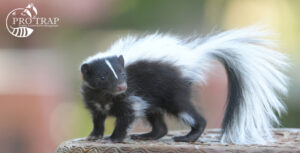
- Ground-level door frames and crawl space vents — Low entry points commonly used by skunks, groundhogs, and mice
The Risk You Can’t See: Wildlife and Electrical Wiring Damage
Wildlife in the home is not just a nuisance — it is a direct threat to health and safety. Rodents, including mice, rats, and squirrels, chew constantly to keep their teeth from overgrowing. Electrical wiring inside attics and walls is one of their most common targets. When animals can strip insulation from a wire conductor, it leaves bare copper exposed, leading to potential arcing, short circuits, and fires that can start inside wall cavities without any visible warning.
This danger goes beyond pest infestations but also threatens the long-term safety of your living space in ways that stay hidden until a breaker trips or a burning smell appears. Raccoons and opossums add to the problem by tearing insulation and shifting wiring as they build nests, creating potential health hazards from contaminated attic materials on top of the electrical risk.
Signs That Wildlife Has Damaged Your Wiring
Watch for these warning signs if you suspect animals are active in your attic or walls.
- Lights flickering or breakers tripping with no clear cause
- A burning smell near wall outlets, attic access points, or ceiling fixtures
- Scratching or chewing sounds inside walls, especially at night
- Gnaw marks with parallel grooves on visible wiring or electrical boxes
Any one of these signs calls for both a wildlife inspection and a check by a licensed electrician. Both problems need to be solved at the same time.
Remove Wildlife First — Then Seal
Sealing cracks and sealing doors while animals are still active inside the home is one of the most common and costly mistakes homeowners make. A trapped animal that cannot find food or water will chew through walls, insulation, and wiring to find a way out — causing more damage in the process. In some situations, animals die inside wall cavities, creating serious odour problems and attracting secondary pests.
The right process is always removal first, exclusion second. Timely maintenance and follow-up inspection after removal is essential for preventing animals from re-entering through secondary gaps they may have created. A licensed wildlife technician confirms the space is clear before any sealing solutions are applied.
ProTrap follows this sequence on every job. Their technicians check for active wildlife before recommending any exclusion materials or starting sealing work — protecting homeowners from a problem that gets worse before it gets better.

What Professional Home Sealing Covers
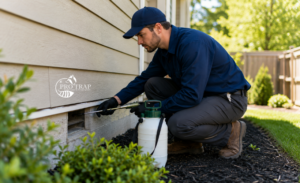
Professional pest prevention services go further than anything available at a hardware store. ProTrap’s pest control experts start with a thorough home walkthrough to locate every potential entry point before a single gap is filled. Door sweeps are effective at closing ground-level gaps under exterior entrances, and ProTrap installs them as part of a complete exclusion plan.
At high-pressure wildlife entry points, technicians use galvanized hardware cloth, steel mesh, and heavy-gauge screening — materials designed to hold up against animals that will return and push against a familiar entry site. Standard caulk works well for insect exclusion around utility lines but will not stop a determined squirrel or raccoon.
What ProTrap Covers in a Home Sealing Inspection
- Roof edges, soffits, and fascia sealed with galvanized flashing or heavy mesh
- Attic and crawl space vents covered with heavy-gauge screening
- Foundation penetrations for plumbing, electrical, and HVAC sealed with appropriate fill and mesh backing
- Chimney caps installed or checked for damage and fit
- Ground-level perimeter inspected at garage frames, crawl space openings, and door thresholds
Every area addressed is documented so homeowners have a clear record of the work completed.
More Reasons to Seal Your Home
Home sealing does more than block pests. A properly sealed home improves the home’s energy efficiency by cutting down on drafts and reducing the heating and cooling bills. A meaningful benefit through Ontario’s cold winters and humid summers. Sealing also supports a safe living environment by stopping moisture from entering through wall gaps, which can lead to mould growth and further attract pests over time.
For Windsor-Essex families, the outcome is a pest-free environment that protects the home and family without relying on repeat chemical treatments. It is a one-time investment that pays off in protection, savings, and peace of mind.
Stop the Problem Before It Starts
Pest prevention is most effective when it happens before wildlife moves in. Once animals are inside, chewed wiring, contaminated insulation, and structural damage build up fast. Home sealing — done in the right order and with the right materials…helps safeguard your home and cuts off the cycle before it can take hold.

ProTrap Wildlife & Pest Control is here to help homeowners across Windsor-Essex County, Chatham-Kent, and Sarnia with wildlife removal, professional exclusion sealing, and damage assessment, all under one roof. Contact ProTrap today and get peace of mind knowing your home is backed by over 30 years of local expertise.