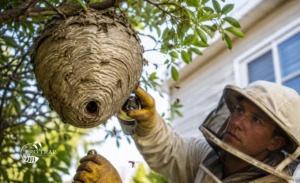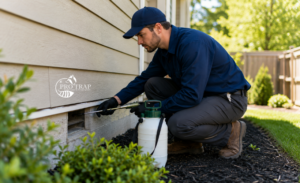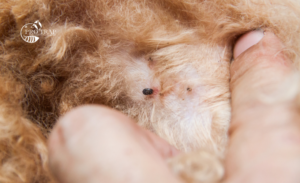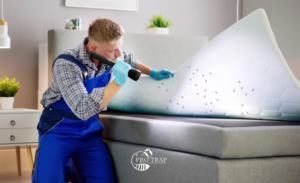
Ontario wildlife removal laws control how you trap, move, and release nuisance wildlife on your own property. Most homeowners in Windsor-Essex learn these rules only after the trap is set. Ontario’s laws protect raccoons, skunks, squirrels, and bats, so a well-meant removal can end in a fine or a welfare complaint. ProTrap does wildlife removal and pest control inside these rules on every call. This guide explains what the law allows, what it forbids, and which humane removal methods fix the problem for good.
The Laws That Govern Wildlife Removal in Ontario
Two provincial laws cover almost every job. The Fish and Wildlife Conservation Act sets the rules for capturing, handling, and releasing wild animals. The Provincial Animal Welfare Services Act sets the standard of care and makes cruelty an offence with real penalties. The Ministry of Natural Resources runs these wildlife regulations and licenses operators. Cities add their own by-law rules on feeding wildlife, discharging firearms, and disposing of carcasses. City animal services handle problems in public spaces, but wildlife in your home is your responsibility.
What Property Owners Can Do
You may capture or remove an animal that is causing wildlife damage on your property, or is about to. That right is narrow. It covers the owner, on that property, for that one problem. It does not let you trap common wildlife just because they cross the yard. Basic animal control on your own land is legal. The moment you catch an animal alive, though, a second rule decides where it can go.
Species With Extra Protection
Certain species get more protection. Bats are the clearest example. Several Ontario bat species are endangered, so the roost itself is protected and the legal removal window is short. Health risks raise the stakes too. Rabies rules say a bat found in a room with a sleeping person, a child, or a pet must be caught and held for testing, not released.
The One Kilometre Relocation Rule
You cannot drive a trapped animal to a park across the county. Provincial laws say you must release it within one kilometre of where you caught it, usually within 24 hours. This rule surprises homeowners more than any other point in Ontario law, because moving the animal far away feels like the kinder choice. It is not.
The rule protects both the animal and local wildlife populations:
- The animal stays in territory it knows, with familiar food, water, and dens
- Rabies, distemper, and roundworm stay put instead of spreading through urban wildlife
- Young are not left behind in a den the parent can never return to
- Resident animals avoid a territory fight with a stranger
Moving an animal far away also backfires. An adult raccoon dropped in strange woods often dies within a month. Worse for you, the hole it came from stays open, so a new animal moves into the same attic within days. Removal without exclusion just resets the clock.
Breeding and Maternity Season Rules
Timing decides whether a removal is legal. In spring and summer, most animals in attics and chimneys have babies that cannot leave on their own. Removing the adult in these weeks cuts a mother off from young she cannot reach.
Typical timing across Southwestern Ontario looks like this:
- Raccoons: born March through May, with kits in the den until July
- Squirrels: two seasons, one in late winter and one in midsummer
- Skunks: born in May and under decks and sheds until July
- Bats: colonies form in June, and pups cannot fly until late summer
Sealing an entry point in these windows traps the young inside. That leaves you with odour, staining, flies, and a mother who tears open fresh damage to reach her litter. Any raccoon removal or squirrel removal in these months has to reunite the family outside the building, not wall it in. Trapping young inside is also the fastest way to turn a pest problem into a welfare case. ProTrap plans attic work around these dates and keeps litters with the mother whenever it can.

Humane Control Methods That Meet the Standard
Effective wildlife control follows a set removal process. Skipping a step causes most of the trouble homeowners run into. The best practices below explain humane wildlife control from the first inspection to the final repair.
- Inspect first. Identify the species, count the animals, and find every opening from the roofline and vents to the foundation. A wrong guess on the species leads to the wrong removal methods and the wrong timing.
- Handle the young. Remove dependent babies by hand and place them in a heated reunion box near the exit, so the mother can carry them to a backup den. These humane practices keep families together.
- Fit one-way doors. Install exclusion doors that let the adult out but block re-entry. Leave them active for several days so every animal can leave.
- Seal for good. Once the space is empty, close every gap and vent with heavy gauge materials that chewing and clawing cannot break.
Good crews use humane, environmentally friendly products throughout this exclusion work, and a licensed wildlife operator records each step. A humane approach to wildlife removal clears the animal and protects the building in one visit.
Why One-Way Doors Work
Wildlife exclusion follows the one kilometre rule by design. The door gives time for the raccoon to leave on its own schedule, so a nursing mother moves her own litter and no relocation question comes up. It also gives a clear signal. When the exclusion door shows no animal activity for several days, the building is empty and safe to close. That is what effective wildlife control looks like when it is done right.
Common Mistakes That Break the Law
Homeowners rarely mean to break a rule. The same few actions cause most of the problems. The most common is releasing an animal well past one kilometre from where it was caught. Next is sealing a hole before the space is empty, which turns a wildlife problem into a dead animal job. Leaving a live trap in hot sun, hard cold, or unchecked overnight becomes a welfare problem within hours. Poison and glue boards are wrong for wildlife, and using them on mice and rats indoors turns a rodent infestation into an odour and secondary poisoning problem. Handling a bat bare-handed throws away the one chance to rule out rabies.
Each of these carries a penalty risk, and each one usually makes the problem worse. Removal without repair leaves an open entry point that draws the next animal in.
Where Municipal Rules Fit In
City rules cover the public side of the problem. Cities respond to animals on roads and enforce by-law rules on feeding wildlife and storing garbage. Animals inside a private home remain the owner’s responsibility. That catches people off guard when they call the city about a raccoon and learn no crew will enter the building. Hiring a wildlife removal company is the practical fix for dealing with wildlife on private property, and professional wildlife control services also hand the legal side to an operator who works with these rules every day.
Get Legal, Humane Wildlife Removal in Southwestern Ontario
Ontario wildlife removal laws reward the approach that also fixes the problem: humane removal first, then exclusion so nothing gets back in. ProTrap brings more than 30 years of professional wildlife removal work, licensed and insured technicians, careful seasonal timing, and permanent repairs backed by a guarantee. These wildlife removal services cover Windsor, Essex County, Chatham-Kent, Sarnia, and Leamington, including emergency calls, and the same removal service can also provide pest control services and rodent work on one visit.

Contact ProTrap today for an inspection, and get the animals out, the entry points closed, and the paperwork handled right the first time.